-
Teléfono : +86-591-86397381
-
Correo electrónico : sale@hosempower.com
-
Skype : +86-13205904365
Teléfono : +86-591-86397381
Correo electrónico : sale@hosempower.com
Skype : +86-13205904365


On offshore platforms, ocean-going vessels, offshore wind booster stations, and island microgrids, generators are the core of the power supply. Navigation, communication, firefighting, ballast systems, and living quarters all depend on stable generator operation. A power outage can easily lead to safety incidents. Many generators that run reliably on land fail within a short period once deployed offshore—the root cause is often that the initial selection did not match the salt spray conditions of the marine environment.
This article shares key selection points for offshore brushless synchronous generators across five dimensions: environmental characteristics, selection risks, parameters and anti-corrosion solutions, common selection mistakes, and selection checklists.
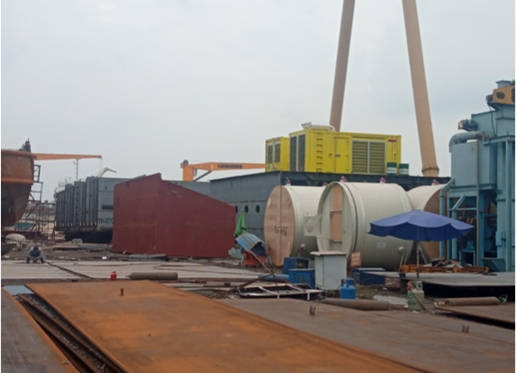
The offshore environment is a multi-factor, highly corrosive operating condition. Corrosion results from the combined effect of multiple factors:
Salt spray erosion. Chloride ions in seawater settle with mist on the generator enclosure, winding ends, terminal boxes, and radiator surfaces. Chloride ions destroy the metal passivation film and rapidly cause pitting corrosion—this is the core corrosion source.
High humidity and condensation. Relative humidity offshore is above 80% year-round. Equipment startup/shutdown and temperature differences between the inside and outside of enclosures cause internal condensation. Moisture penetrates windings, AVR regulators, and rotating rectifier modules, directly reducing insulation resistance.
Breathing effect. The generator heats up during operation and cools down after shutdown. The alternating hot-cold cycle creates a "breathing" effect that continuously draws salt-laden moist air into the machine interior, corroding internal components.
Chemical media superposition. Fuel vapor, media leakage, and salt splash in the engine room mix with salt spray, creating corrosion intensity far higher than salt spray alone.
Continuous vibration and sway. Ships and offshore platforms vibrate continuously, accelerating fastener loosening and insulation fatigue. Corroded metal loses strength, and vibration amplifies cracks, accelerating component failure.
The cost of equipment failure offshore is on a completely different scale from onshore. Onshore failure means downtime for repair; offshore failure often brings high losses or even safety risks:
Stator winding insulation breakdown. Salt spray and condensation penetrate windings, insulation resistance continues to drop, and voltage instability and excitation alarms appear initially, by inter-turn and phase-to-phase short circuits and winding burnout. Offshore sites lack the conditions for on-site rewinding. The entire machine must be shipped back to shore for repair, with a repair cycle lasting several months.
Rotating rectifier damage. Brushless generators rely on rotating rectifier assemblies for excitation. Salt spray corrodes diode pins, capacitors, and varistors, causing open or short circuits in the rectifier circuit. The unit loses excitation and shuts down directly.
Bearing corrosion and shaft current damage. Salt spray enters the bearing cavity, lubricating grease emulsifies and fails, and bearing raceways develop pitting. Combined with shaft current effects, bearings fail rapidly. In severe cases, the rotor scrapes the stator and the entire machine is scrapped.
Terminal electrochemical corrosion and burning. Copper-aluminum connections are highly prone to electrochemical corrosion in chloride environments. Contact resistance increases, heating occurs, and terminals eventually melt, causing a full system power outage.
Huge downtime losses. The purchase cost of a single generator is limited, but production losses, shipping schedule losses, and insurance payouts caused by offshore platform downtime or vessel suspension far exceed the value of the equipment itself.
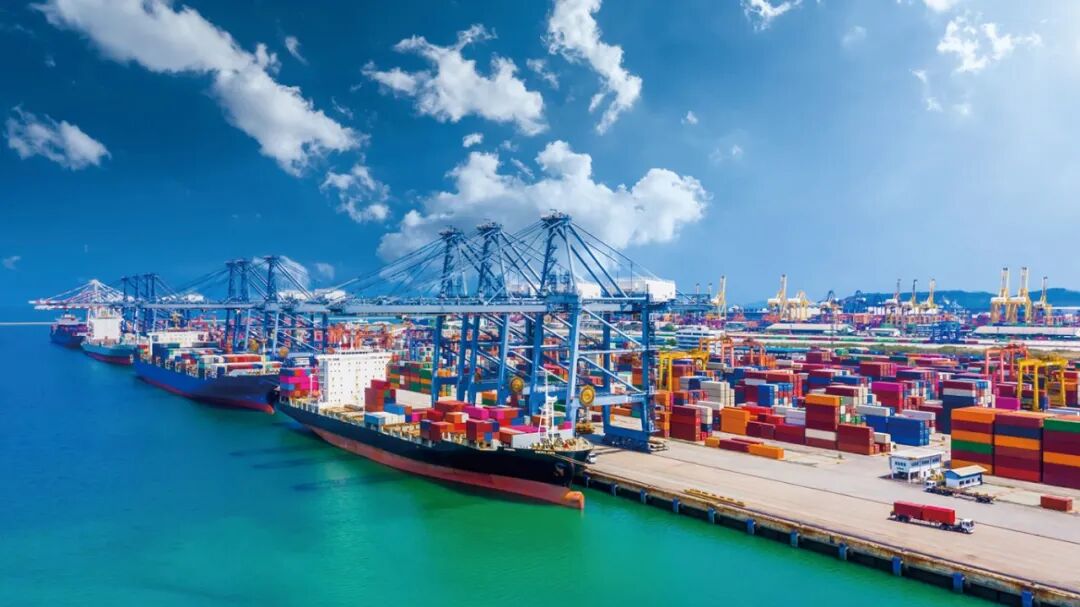
Anti-corrosion is not simply applying thicker paint. It is a complete system solution covering windings, protection, coatings, materials, electrical controls, and sealing. During selection, the following parameters must be written into the technical agreement:
Winding insulation system. Prefer Class F insulation; for important ocean-going and open splash-zone scenarios, use Class H insulation. Windings must use the VPI (vacuum pressure impregnation) process with special insulation varnish resistant to damp heat and salt spray, ensuring the varnish fills winding gaps and improves resistance to damp heat and salt spray. Alternating damp heat and salt spray tests are required.
Overall ingress protection rating. Minimum IP55 for engine room installation; IP56 for open deck and splash zones. The IP rating must not be judged by the enclosure alone—terminal boxes, bearing chambers, ventilation openings, and sealing strips must all meet the protection standard simultaneously to eliminate "false IP ratings."
Surface anti-corrosion coating system. Use a three-layer coating system: epoxy zinc-rich primer + epoxy mica intermediate coat + polyurethane/fluorocarbon topcoat. Dry film thickness ≥240 μm for engine room interiors and ≥320 μm for open splash zones. Neutral salt spray test requirements: ≥720 h for engine room models and ≥1000 h for high-requirement models, with no blistering, rusting, or peeling.
Material upgrades for key components. Fasteners standard A4-70 (316 stainless steel); radiators preferably copper-nickel alloy fins—aluminum fin versions must have dedicated anti-corrosion coatings; terminals and copper bars nickel-plated/tin-plated; insulating gaskets added at dissimilar metal connections to avoid electrochemical corrosion. Nameplates should be stainless steel etched nameplates; adhesive labels are prohibited.
Three-proof treatment for electrical control components. AVR voltage regulators, rotating rectifier boards, varistors, and capacitors must all be coated with three-proof varnish (moisture-proof, mold-proof, salt-spray-proof). Units should be equipped with space heaters as standard, automatically activated during shutdown to keep winding temperature above the dew point and prevent condensation at the source. Bearings should be double-sealed anti-corrosion bearings; for critical conditions, use insulated bearings + grounding brushes to prevent shaft current corrosion.
Sealing and breathing structure design. Equip waterproof breathable breather valves to balance internal and external pressure and avoid negative pressure drawing in moist salt spray. Use labyrinth seals + oil seals at the shaft extension end. Pot the terminal box internals to block moisture ingress paths.
Misconception 1: A land-use generator with an extra layer of anti-corrosion paint sprayed on site can be used offshore. On-site painting only covers the outer surface. Winding interiors, rectifier boards, radiator gaps, and terminal interiors cannot be painted. Corrosion mostly starts inside the equipment. The outer paint may be intact while the internal insulation has already failed. Anti-corrosion must be completed during product design and manufacturing—it cannot be remedied afterward.
Misconception 2: Meeting IP55 means it can resist salt spray. IP ratings only represent dust and water protection capability; they cannot block long-term penetration of tiny salt spray particles. Sealing strips age over time and protection degrades. IP rating is only a basic condition—it must be combined with coatings, heaters, breather valves, and a complete anti-corrosion solution.
Misconception 3: A full stainless steel enclosure means no corrosion. Ordinary 304 stainless steel still suffers pitting and crevice corrosion in chloride environments. Even 316L stainless steel will undergo electrochemical corrosion if dissimilar metal connections are not insulated. Material upgrades are only one part of anti-corrosion—not a universal solution.
Misconception 4: Imported brand-name equipment is definitely suitable for offshore conditions. Brand and price do not equal offshore-specific design. Many imported models are standard land-use versions. Only versions with the marine anti-corrosion package option and classification society certification are suitable for offshore use. Selection must verify classification society type approval certificates such as CCS, DNV, and LR—do not judge by brand alone.
Onshore generator selection focuses on efficiency, power, and price. Offshore generator selection focuses on the reliability of insulation, excitation, and connection structures under long-term corrosive environments. Key selection points summarized:
Clarify the installation location: engine room interior, open deck, or splash zone—anti-corrosion standards differ by location. Determine the operating conditions in advance.
Prioritize VPI-impregnated insulation, Class F/H moisture-resistant insulation, and always include space heaters to prevent condensation.
Match IP rating to the scenario, and simultaneously verify the protection capability of ventilation openings, terminal boxes, and seals.
Specify coating standards, dry film thickness, and salt spray test duration in the technical agreement.
Upgrade materials for small components such as fasteners, radiators, and terminals, and isolate dissimilar metals.
Electrical control boards must have three-proof coating. Focus on verifying the anti-corrosion design of rotating rectifier assemblies.
For projects with classification requirements, confirm classification society certification in advance and request salt spray and damp heat test reports.
Calculate total life-cycle cost. Do not compare only purchase price—include maintenance and downtime losses in the evaluation.
Hosem Power has been manufacturing diesel generator sets for more than 20 years. We supply a wide range of generator brands—including Cummins and Perkins—covering industrial generators, gas generators, and marine-standard generators built for offshore applications.
Contact us now for factory-direct pricing and let our engineers help you match the right generator, anti-corrosion package, and certification to your offshore project.

Teléfono : +86-591-86397381
Correo electrónico : sale@hosempower.com
Whatsapp :+8613205904365
Dirección : C2 Building, Cangshan Wanda Plaza, No. 216 Pushang Road, Fuzhou City, Fujian, China.
Derechos de autor © 2026 Fuzhou Hosem Power Co., Ltd. Reservados todos los derechos
 IPv6 compatible con la red


